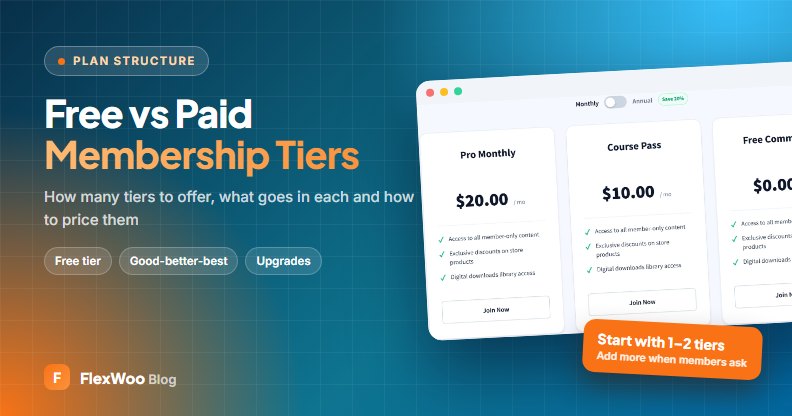
Membership tiers look simple on a pricing page: three boxes, three prices, the middle one highlighted. Behind those boxes are decisions that shape your whole business. What do free members get? What makes someone pay? And what makes them pay more?
This guide covers how to structure membership tiers so they are easy to choose from, easy to run and push people gently toward the plan that suits them. We cover free vs paid tiers, how many tiers to have, what to put in each and how to set them up in WordPress.
Key takeaways
What Are Membership Tiers?
Membership tiers are different levels of access sold at different prices. Each tier unlocks a set of benefits, such as content, downloads, discounts or live sessions, and higher tiers usually include everything below them. Tiers let casual fans join cheaply while your biggest supporters pay for more.
Should You Offer a Free Tier?
A free tier is a membership that costs nothing but still requires an account. It is one of the most useful tools you have, and also one of the easiest to get wrong.
A free tier works well when…
It backfires when…
A good test: write one sentence that completes “Free members get ___, paid members also get ___.” If the second blank is not obviously worth paying for, rework the split.
Free trial or free tier? A free tier lasts forever and builds an audience. A free trial gives full access for a short time and converts faster. Many sites use both. We compare the two approaches in free trials vs signup fees.
How Many Membership Tiers Should You Have?
Fewer than you think. Every extra tier is another thing to explain, another set of rules to maintain and another decision for a visitor who just wants to join.
| Stage | Recommended tiers | Why |
|---|---|---|
| Launching (under 100 members) | 1 paid, or free + 1 paid | You do not yet know what members value most. |
| Growing (100–1,000 members) | Free + 2 paid | Add a higher tier once members ask for more access. |
| Established | Free + 3 paid at most | Good-better-best, with the middle tier as the default. |
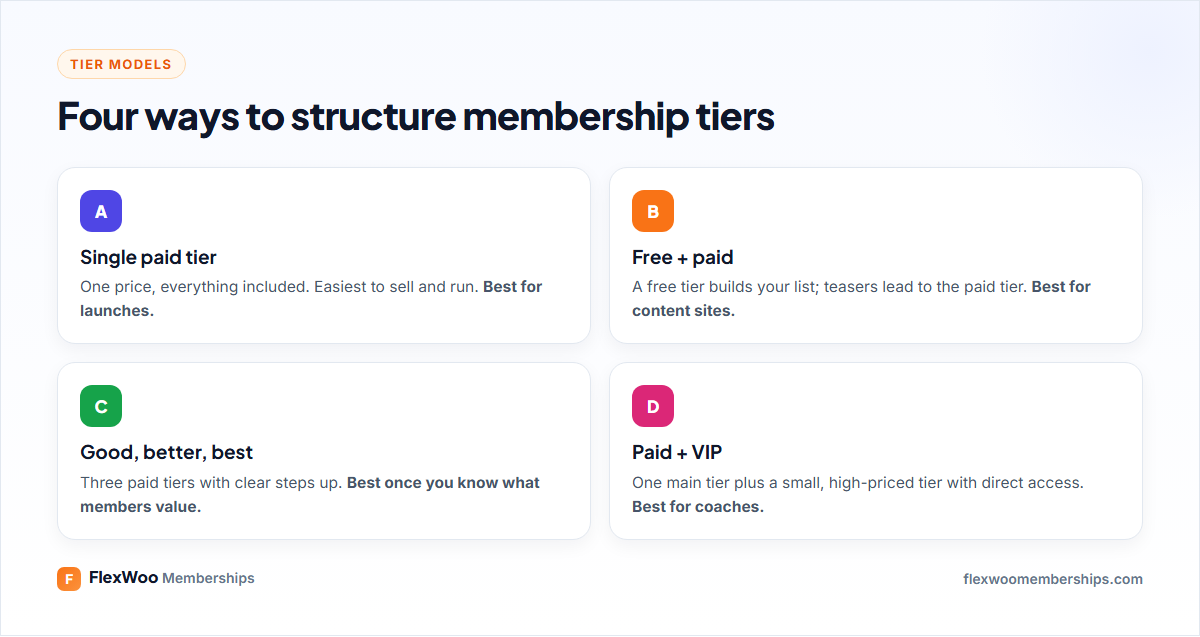
Three paid tiers is a natural ceiling. Beyond that, people stop comparing and start leaving. If you sell to very different groups, like individuals and companies, use separate pricing pages instead of a fourth tier.
What to Put in Each Tier
The easiest way to split benefits is by how much of you a member gets. Content scales; your time does not. So the cheaper tiers get content and the higher tiers get access to you.
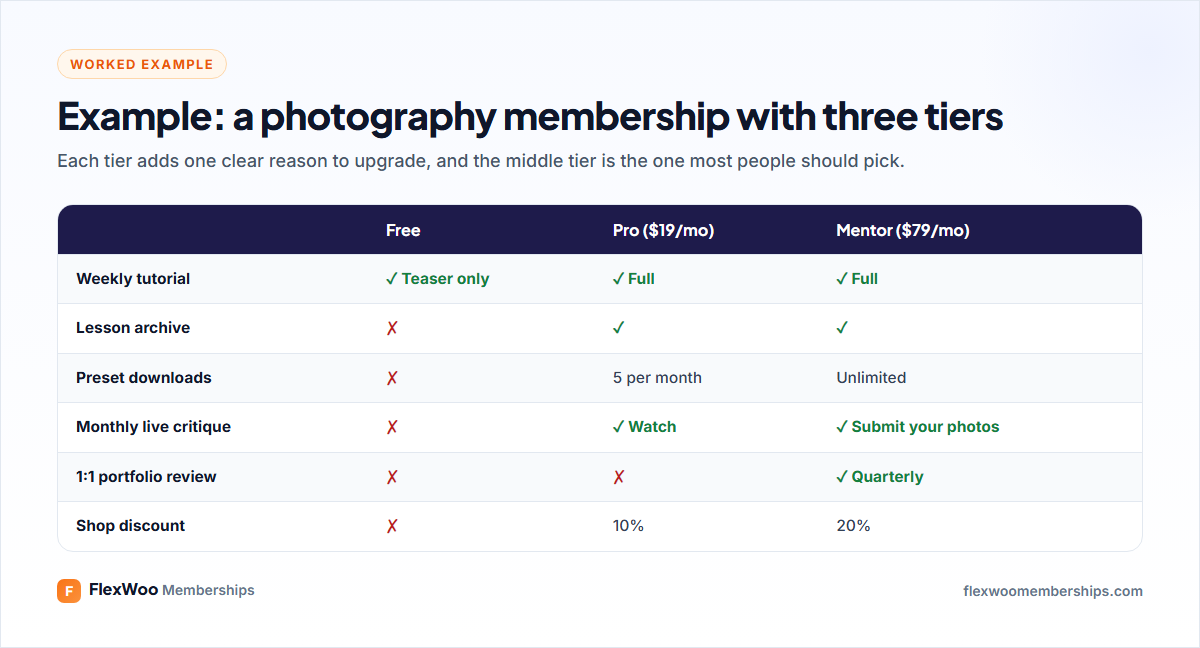
Notice that the example above does not add a long list of tiny extras to each tier. One or two strong reasons to move up beat a feature checklist every time.
How to Price Membership Tiers
Pricing tiers is mostly about the gaps between them:
We go much deeper on this in how to price a membership: monthly, annual or lifetime.
Design the Upgrade and Downgrade Path
Tiers only make money if people move between them. Plan three journeys:
Making these switches self-service matters. If changing plans means e-mailing you, many people will simply cancel instead.

How to Set Up Membership Tiers in WordPress
With WooCommerce and FlexWoo Memberships, each tier is a membership plan linked to a product. Here is the setup in short:
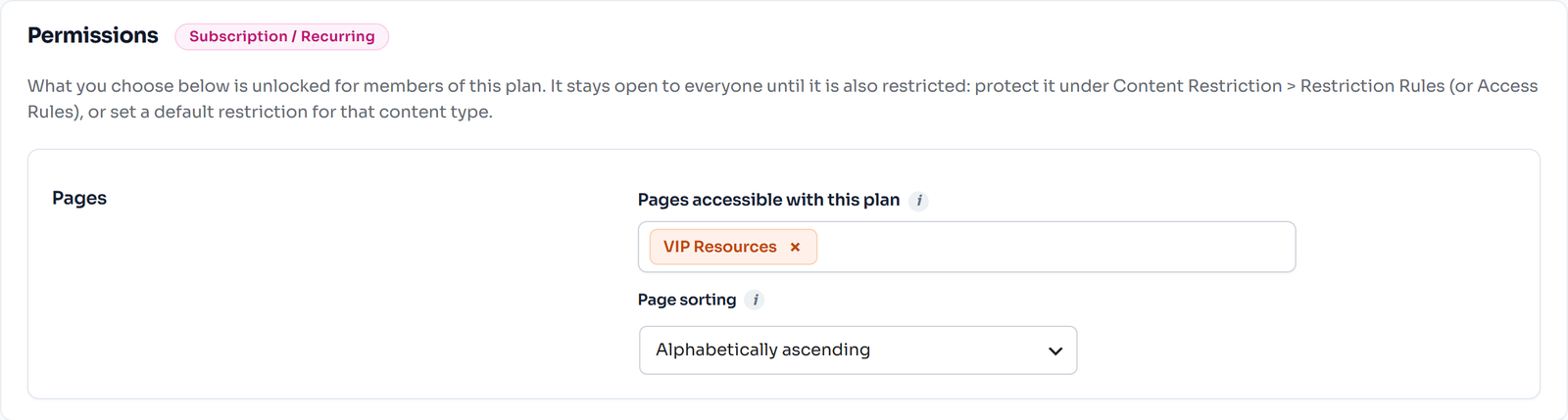
The complete WooCommerce membership tutorial covers each of these screens step by step.
Common Tier Mistakes
FAQ: Membership Tiers
Keep It Simple, Then Listen
The best tier structure is the one your members barely have to think about. Start with one or two tiers, watch which benefits people actually use, and build the next tier around what your best members ask for. Your pricing page will get better every time you do.